Maybe once you hit a certain age, it is normal to become nostalgic. We look to the past, longingly remembering those simpler times, when no one worried about the safety of a five-year-old girl and her seven-year-old brother walking to the corner drugstore to spend their nickel allowance on a candy bar. Those kids grew up without ever hearing the vulgar four-letter words that have become common in music lyrics or in the rhetoric of political leaders.
Flash back a generation or two, when everybody put on their Sunday best to go shopping downtown. A well-mannered gentleman would open the door for a lady, and it never occurred to anyone to accuse him of being a misogynist.
Feel free to chime in here with a chorus of “those were the days.”
Have you ever wished you could go back in time? Maybe even to a time and place further afield than your memories can reach?
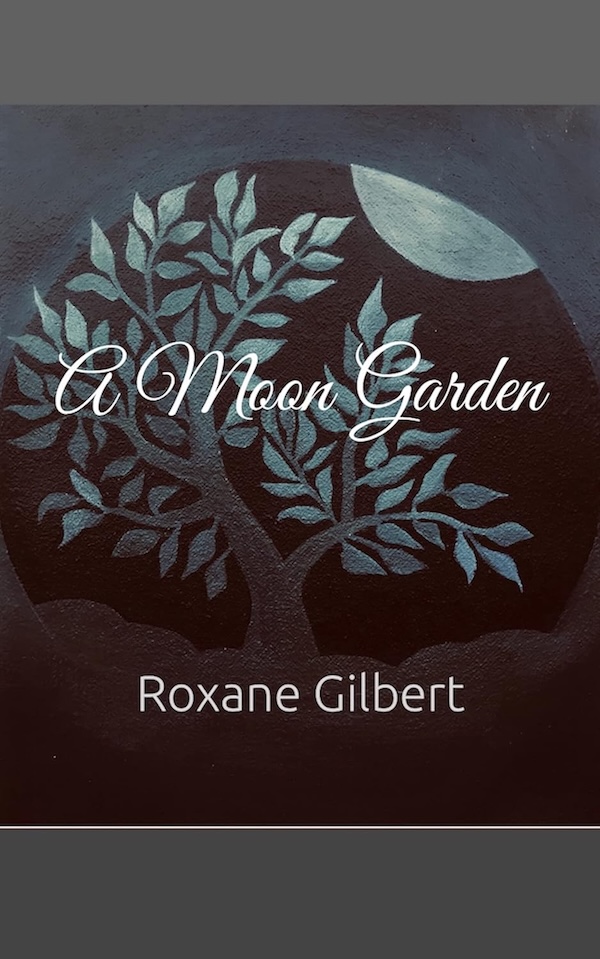
When I was writing my debut novel, A Moon Garden, I tried to imagine what life was like in the USA and England during the late 1700s. There was no way I could recreate the experience in this modern era, but I figured that at least I could unplug the television. And every evening, I dined by candlelight.
Taking these two little measures lifted my spirits in expected ways. I ended up canceling the cable service, and to this day, I eat my supper by the soft, flickering glow of candles.
The closest I ever came to time travel in America was when I went camping in a national park with my college geology class. There is nothing like having a geology professor as your guide, explaining the prehistoric significance of the exposed layers of rock. Geology has its wonders, but it doesn’t pull me like the echoes of human stories.
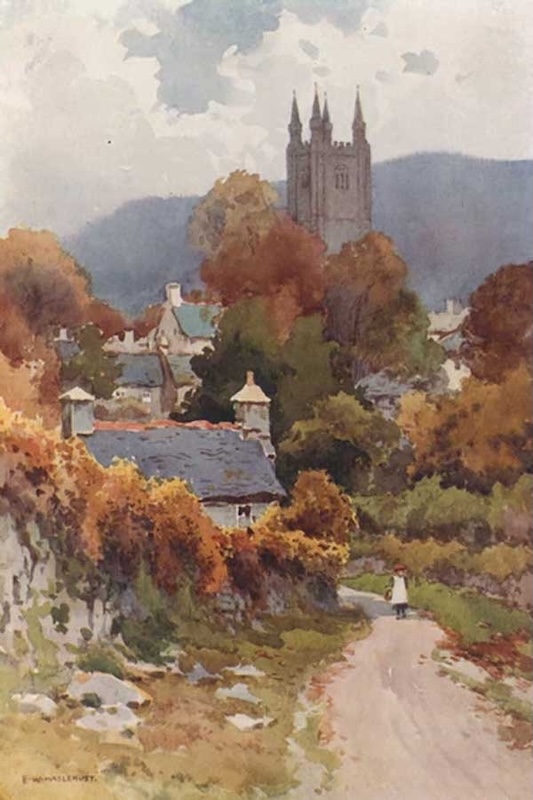
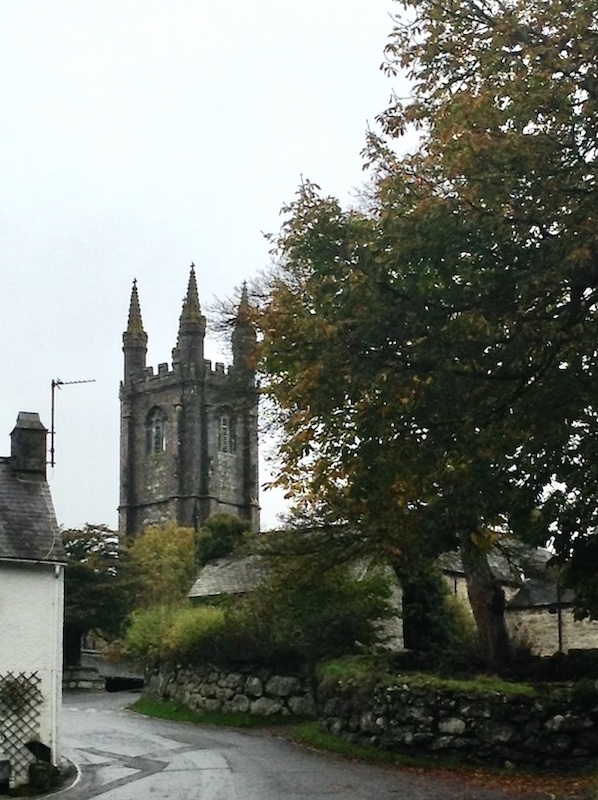
Nothing in America compares to the living history on display in England. The hero of A Moon Garden lives in a village in Devon called Widecombe-in-the-Moor. On a bleak October day, I felt enchantment as I walked into the Church of Saint Pancras, whose 120-foot tower has been shrouded in the mist since the 13th century. Although that charming, ancient village is relatively unchanged, a part of me longs to see it as it was in 1785, with horses and carriages on cobblestone streets, instead of motorcars on macadam, with the smell of peat fires burning in the hearths, and the air hanging with the voices of neighbors calling to each other in greeting.
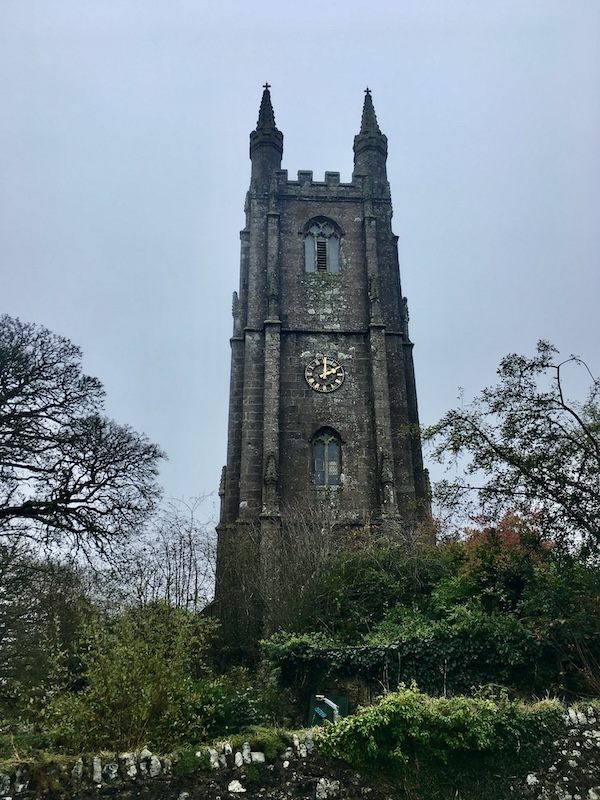
The best I can do, sometimes, is to gaze at renderings of these timeless places as they were captured in isolated moments by talented artists.
Some of my favorite paintings of England were created in the early 20th century by Ernest William Haslehust (1866-1949). Today marks 159 years since the man who sketched those misty moors came into this world. He was born on November 12, 1866, in Walthamstow, Essex, (now part of Greater London). A prolific book illustrator, he contributed to Blackie and Son’s Beautiful England series, providing illustrations for 36 volumes between 1910 and the 1920s.
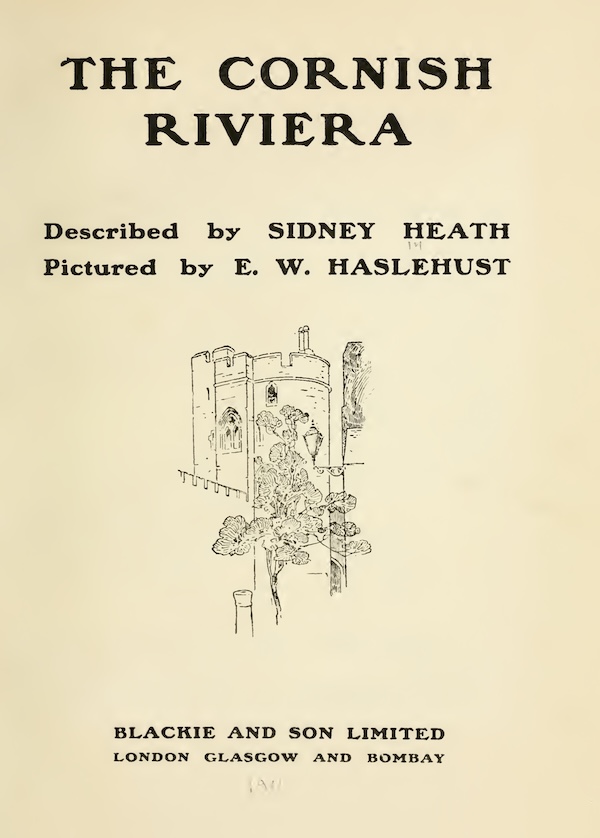
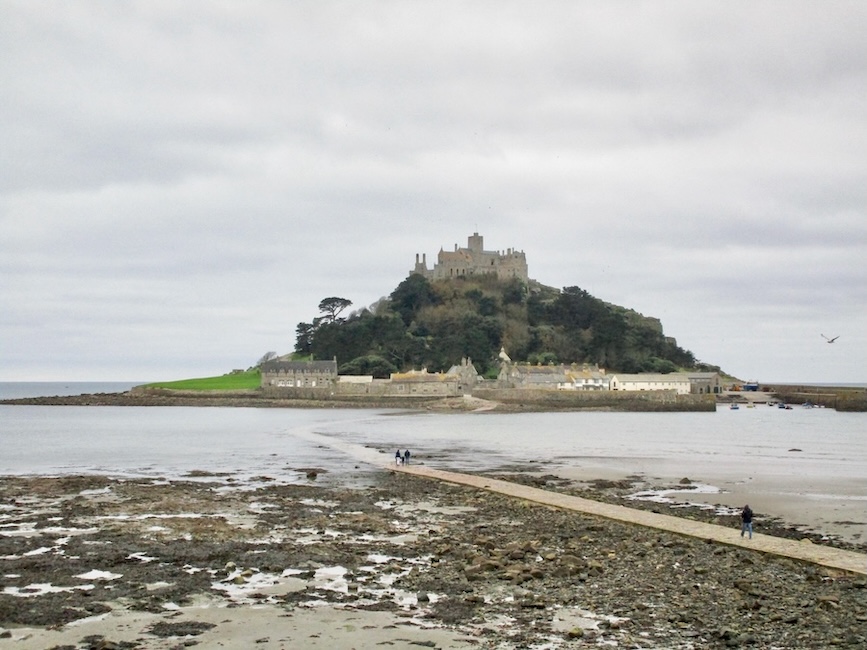
Just for fun, I have paired a few of Haslehust’s paintings with my photographs. Even if we can’t go back in time to visit these idyllic scenes, we can see them through the eyes of this artist.
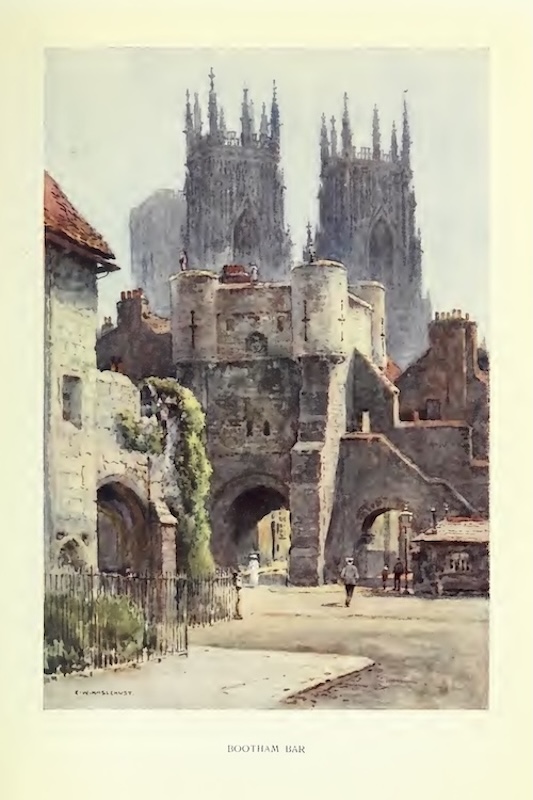
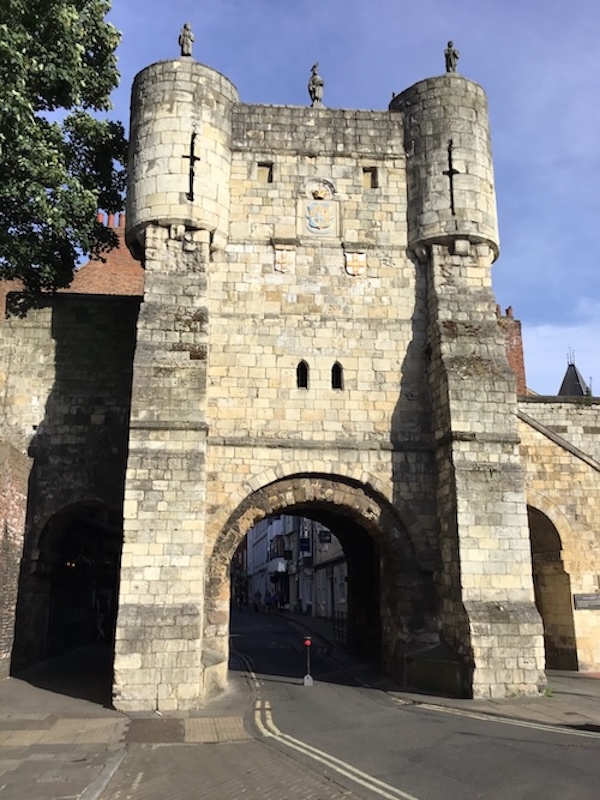
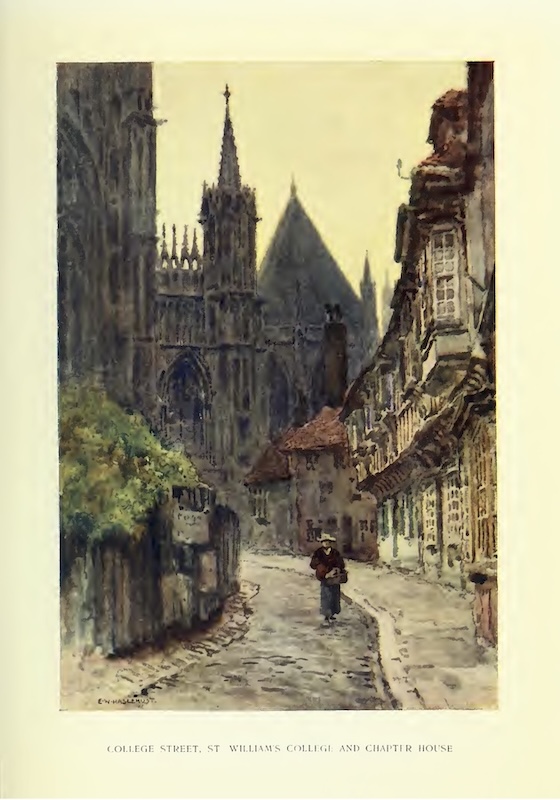
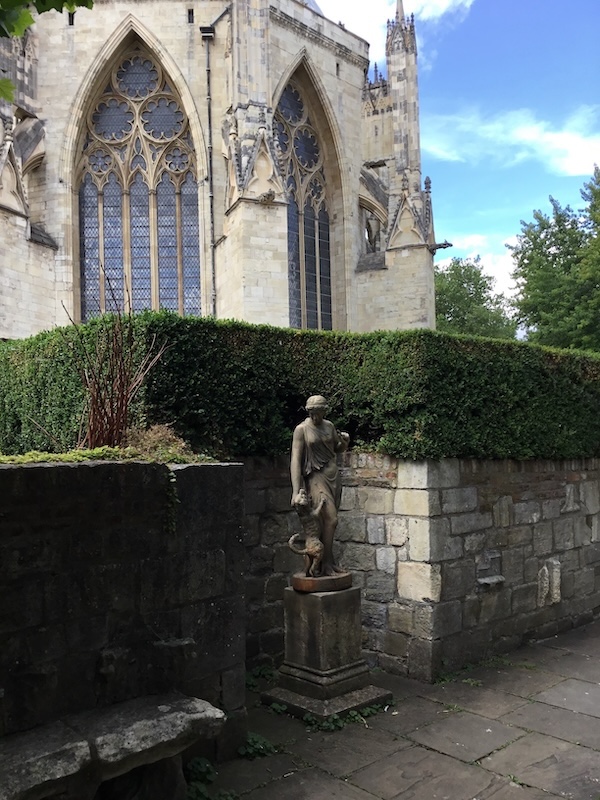
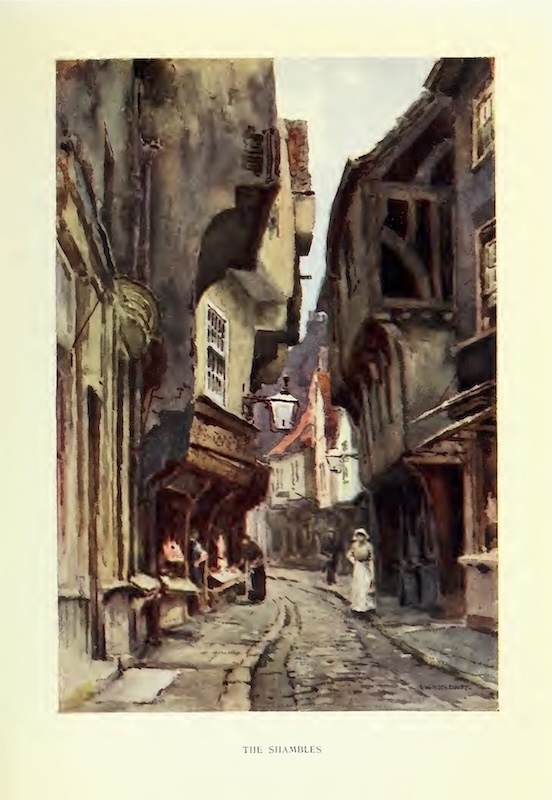
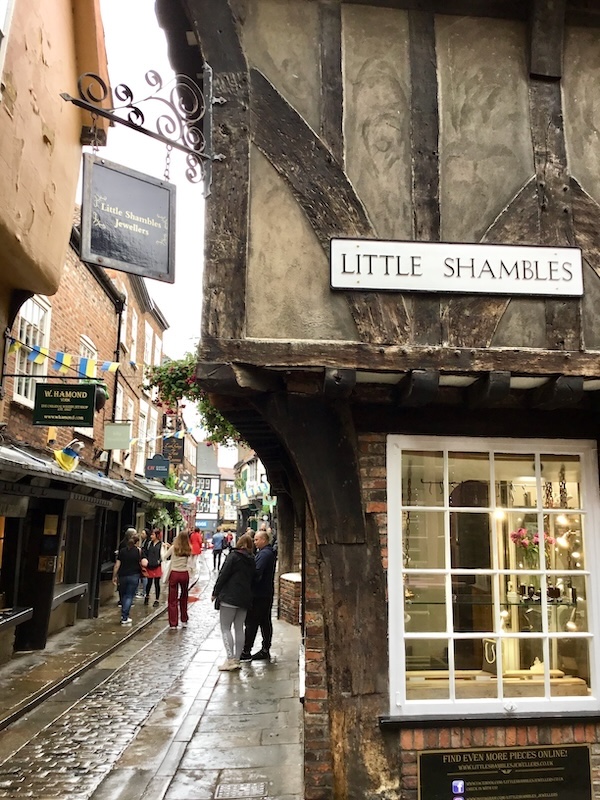
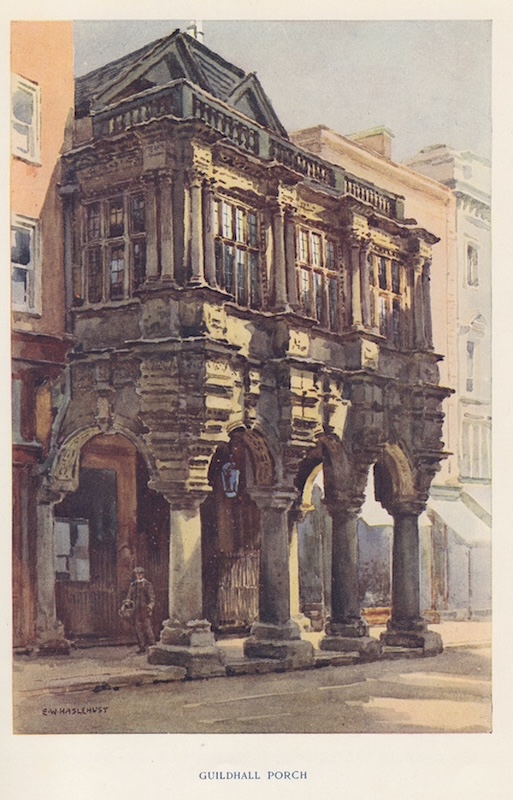
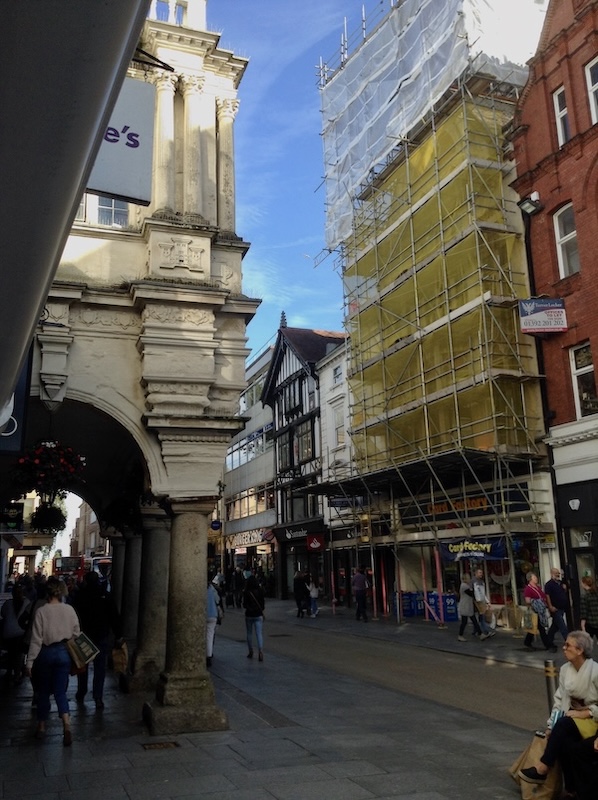
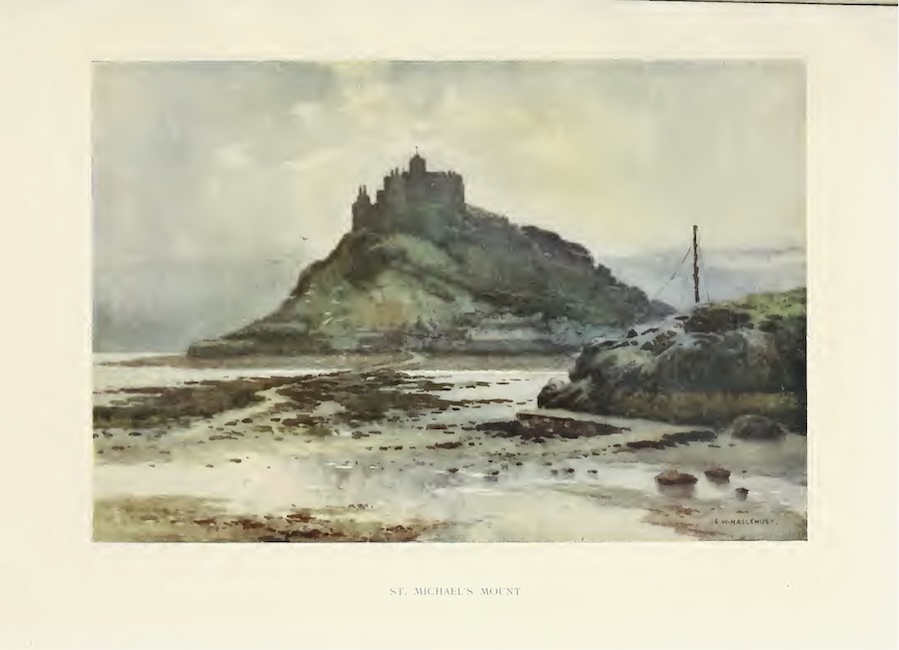
Here’s a question for you. Were these places better then or are they better now?
If you could travel back in time, where would you go? Share in the comments!
Discover more from Art*Connections
Subscribe to get the latest posts sent to your email.
 Art*Connections