The world had grown too chaotic to navigate. Manhattan held an allure for me, ever since my first visit as a wide-eyed 16-year-old. But maybe it wasn’t the best place to go in search of refuge. When I was barely 19, I moved there anyway, only to see my troubles multiply.
My uncle, a Madison Avenue ad exec, nudged me toward an oil painting class at the Art Students League. As I pieced together my equilibrium, it became my anchor.
There, I discovered what “seeing” truly means to an artist—and delved into color theory’s fundamentals. After months of intensive studio time, I gained both insight and skill. [For a glimpse at that part of my journey, see: The Mandala at roxanegilbert.com.]
These days, art remains my go-to escape from the chaos of current events. A few nights ago, browsing online, I stumbled on works by English portraitist John Hayter (1800–1895). One in particular—A Controversy in Colour—ignited my curiosity.
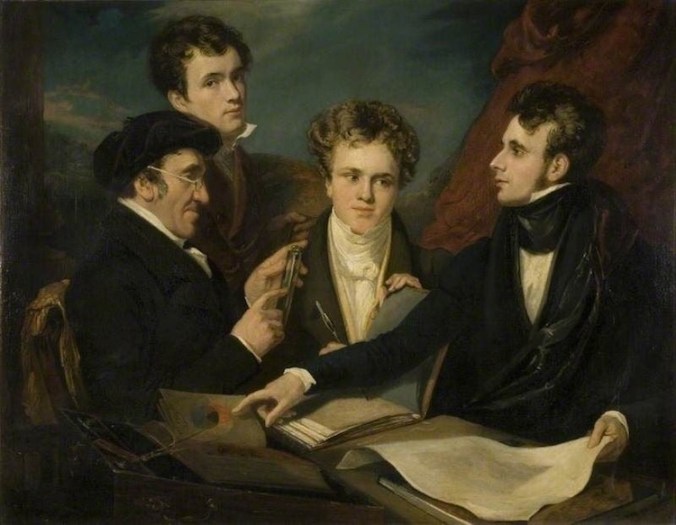
The Players in the Controversy
The scene shows four men huddled around a table. At left sits the bespectacled Charles Hayter (1761–1835), a miniaturist extraordinaire, holding a prism to demonstrate light’s refraction into spectral hues.
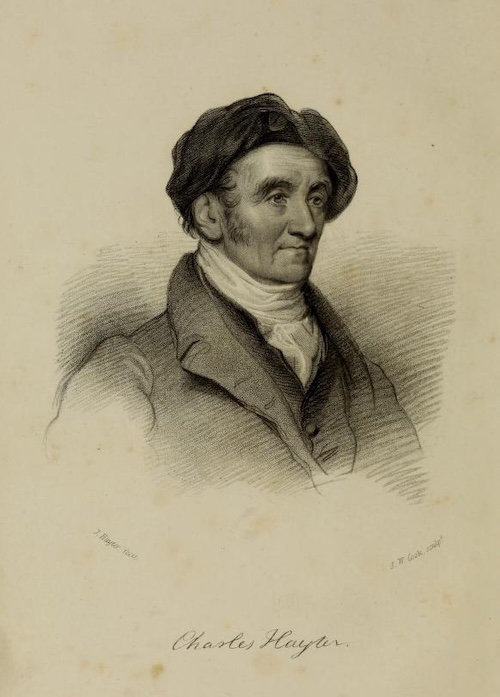
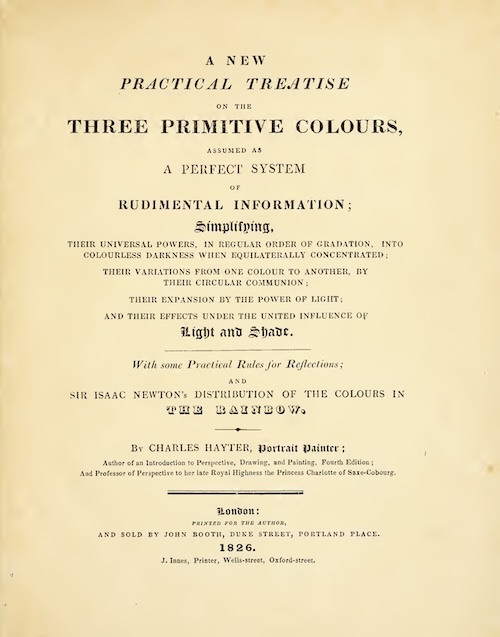
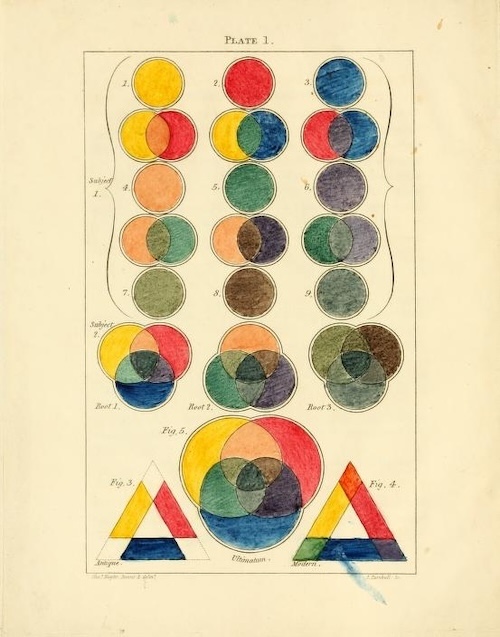
A color theorist himself, Charles authored treatises on color and perspective. King George IV even named him Professor of Perspective and Drawing to his daughter, Princess Charlotte.
Beside him stands his son, John Hayter (1800–1891)—the painting’s creator and a rising portraitist. Queen Victoria would appoint him Painter-in-Ordinary in 1837. At center, the fair-haired Edwin Landseer (1802–1873), a family friend, is an artist who experiments with dramatic lighting in his animal scenes. He’d earn a knighthood from the Queen in 1850.
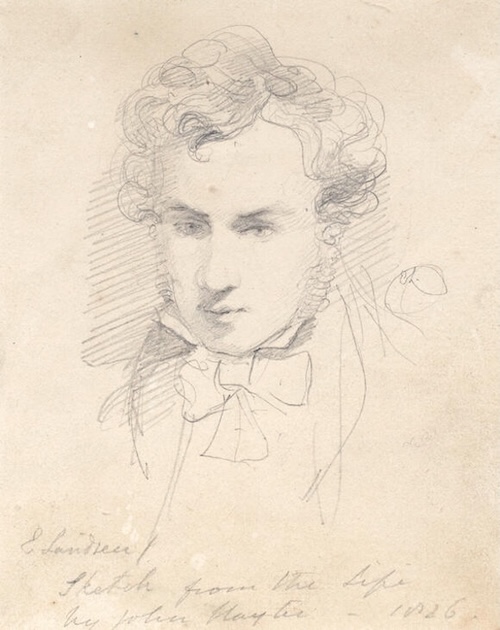
Across from Charles, his eldest son, George Hayter (1792–1871), points to the color wheel at his father’s elbow. In 1841, Victoria would name him Principal Painter-in-Ordinary and knight him.
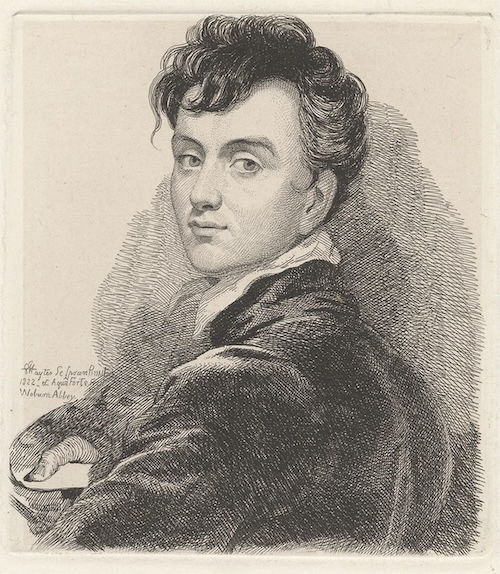
About the Artist: The painter behind the Canvas
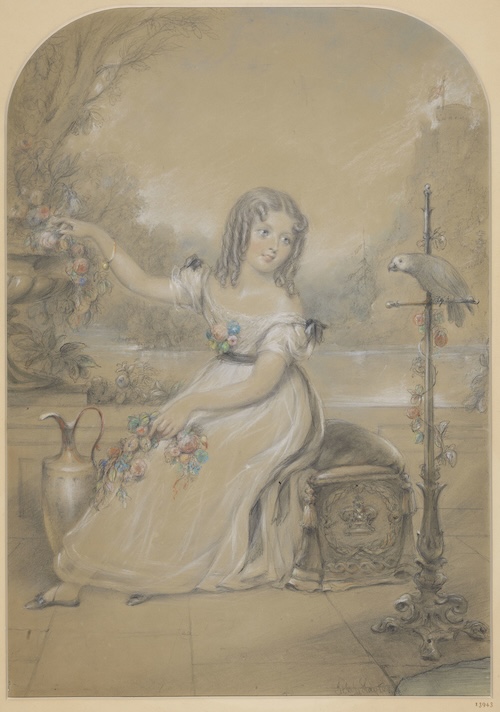
Born October 12, 1800, in London, John entered the Royal Academy of Arts at 15, exhibiting there the same year. By 1815, he was already painting for the royals. In 1830, he rendered his first portrait of 11-year-old Princess Victoria (1819–1901).
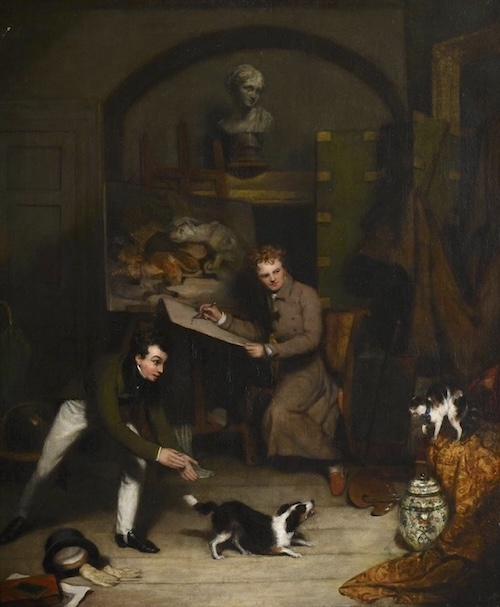
In Interior of a Painter’s Studio, John places Edwin Landseer at his easel, mid-brushstroke on The Larder Invaded. It is likely John himself in the foreground, intervening as a dog pursues a cat.
On June 3, 1895, John died in Brompton, Kent, at age 94.
Like that long-ago debate around the color wheel, art reminds us that even in controversy, there’s a spectrum of possibility. What’s your favorite art escape? Share below!
Discover more from Art*Connections
Subscribe to get the latest posts sent to your email.
 Art*Connections