Today, on the 249th anniversary of its debut, the St. Leger Stakes is the oldest horse race in the prestigious British Triple Crown, a series for three-year-old Thoroughbred colts and fillies, that is considered the pinnacle of British flat racing. (The other races making up the Triple Crown are the 2,000 Guineas Stakes at Newmarket and the Derby Stakes at Epsom.) It debuted on September 24, 1776, when Colonel Anthony St. Leger moved a race that he sponsored each year in Firbeck, Yorkshire, to a better track at Doncaster. The St. Leger is still run at the racecourse in Doncaster every September. [Source: Leeds Intelligencer, October 1, 1776].

The winner, a bay filly named Allabaculia, edged out Colonel St. Leger’s entry by a neck. She belonged to Charles Watson-Wentworth, Marquess of Rockingham. A wealthy Whig politician and former Prime Minister, Lord Rockingham owned a sprawling, 300-room estate in Yorkshire called Wentworth Woodhouse, where he reputedly kept up to 200 horses in his stables. It was Lord Rockingham who proposed naming the race after Colonel St. Leger.

The St. Leger family had a long and storied history in the British Isles. Anthony was descended from Robert St. Leger, a knight who accompanied William the Conqueror from Normandy to England in 1066 and fought at his side in the Battle of Hastings. Shortly after William was crowned King William I of England in Westminster Abbey on Christmas Day in 1066, Sir Robert seized Ulcombe Manor in Kent from a Pagan Dane who held it. It remained the St. Leger family seat for many centuries.
Another one of Anthony’s ancestors was his namesake Sir Anthony St. Leger, who was born at Ulcombe Manor about 1496. King Henry VIII appointed him Lord Deputy of Ireland in 1540. Although Sir Anthony believed that “Ireland was much easier to be won than to be retained,” he successfully quelled rebellion by integrating Irish lords into English governance. His policies brought order to a land torn apart by clan feuds. This outcome so pleased King Henry that he granted monasteries and extensive lands in Ireland to Sir Anthony.
In 1731, Anthony St. Leger was born in Grangemellon, County Kildare, Ireland. After receiving his education at Eton College and Cambridge, he joined the British Army. By the time he married Margaret Wombwell in 1761, he had achieved the rank of lieutenant-colonel.
Anthony left the military when his regiment disbanded in 1762 and turned his attention to breeding and racing Thoroughbred horses at his newly purchased Park Hill estate in Firbeck. He was elected to the House of Commons in 1768 and was a Member of Parliament for the next six years.

Five days before Christmas in December of 1776, Anthony’s wife died after suffering an illness. When Charles Manners, Duke of Rutland, raised the 86th Regiment of Foot for service in the American Revolutionary War in 1779 and offered Anthony the command, he accepted. He and his regiment went to St. Lucia in January 1780.

The deadliest Atlantic hurricane on record hit the West Indies in early autumn. The Great Hurricane of 1780 devastated the Caribbean, killing over 20,000 people and disrupting military operations. King George III was impressed with Anthony’s leadership during the ordeal and promoted him to major general shortly after his return to England in 1781. Although he was happy to be back in England, he was disappointed that the filly he ran in the St. Leger Stakes that year placed fifth.

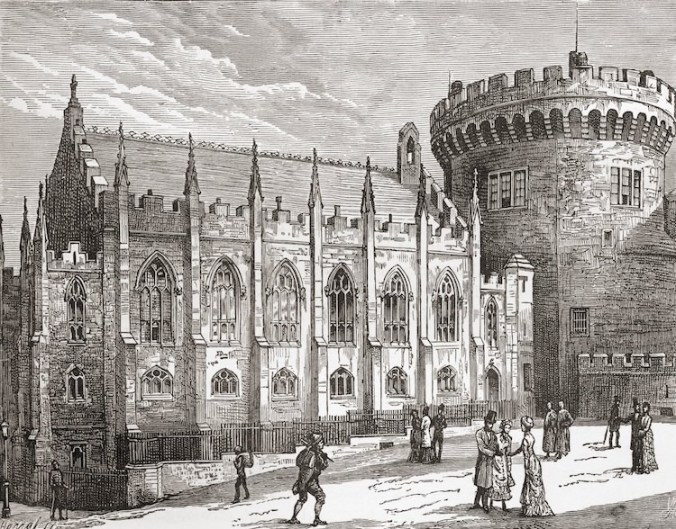
Charles, Duke of Rutland was appointed Lord Lieutenant of Ireland by King George in 1784, and Anthony entered his service as Major General on Staff. On April 19, 1786, he died unexpectedly at age 54 in his apartment at Dublin Castle. Despite his untimely death, his legacy endures as the Great St. Leger, founded in 1776, draws horse enthusiasts worldwide each September.
Have you visited Doncaster Racecourse or followed the St. Leger Stakes? Share your story!
Discover more from Art*Connections
Subscribe to get the latest posts sent to your email.
 Art*Connections